Growing Local Farms & Bringing Fresh Food to Our Communities
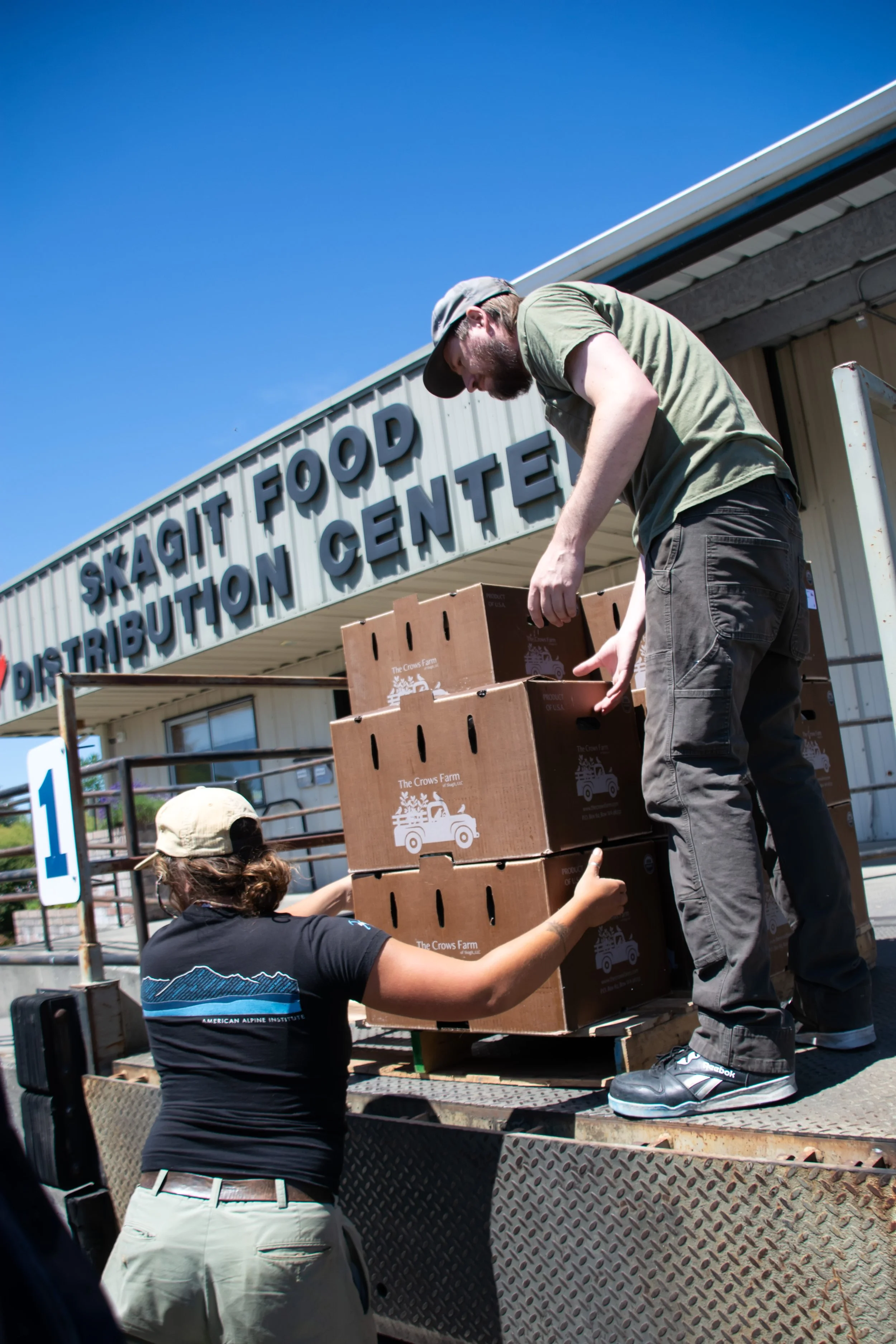
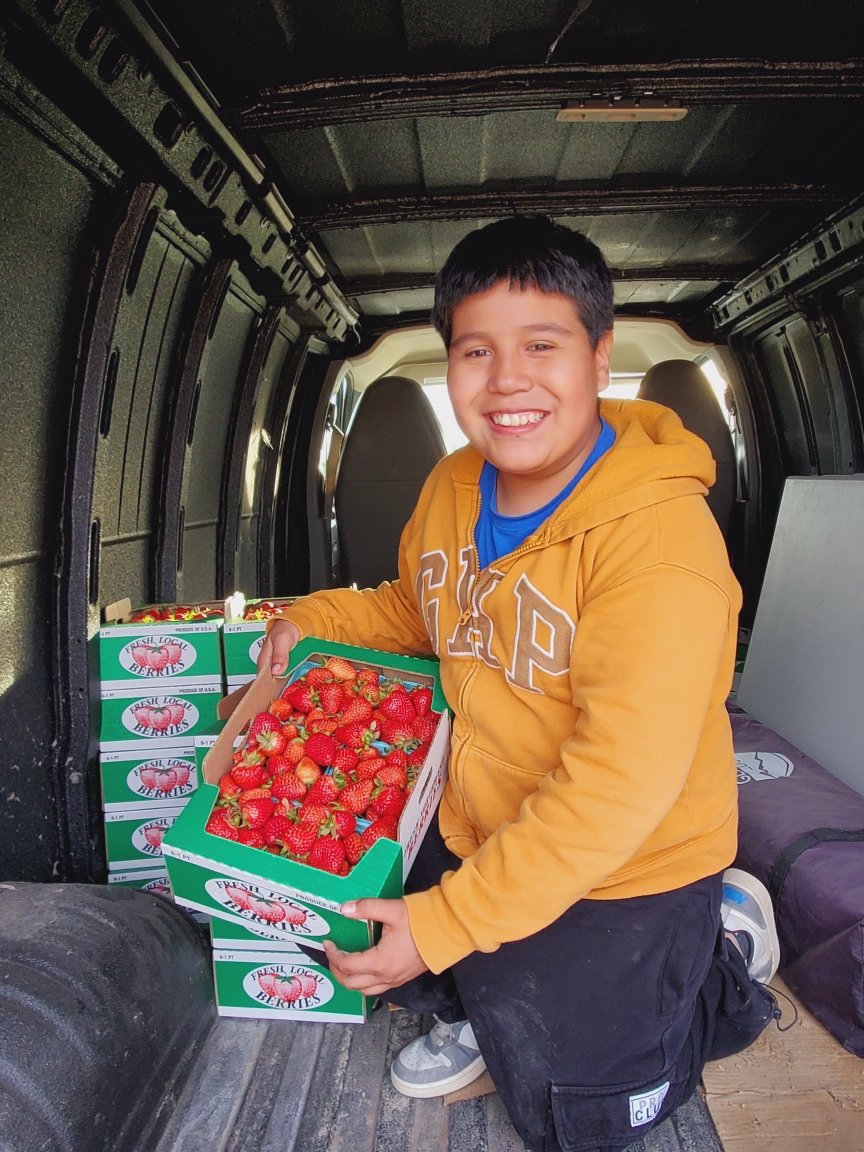
A delivery from The Crow’s Farm arriving at the Food Distribution Center.
by Trisha Hochreiter, Community Action Skagit Food Access Manager
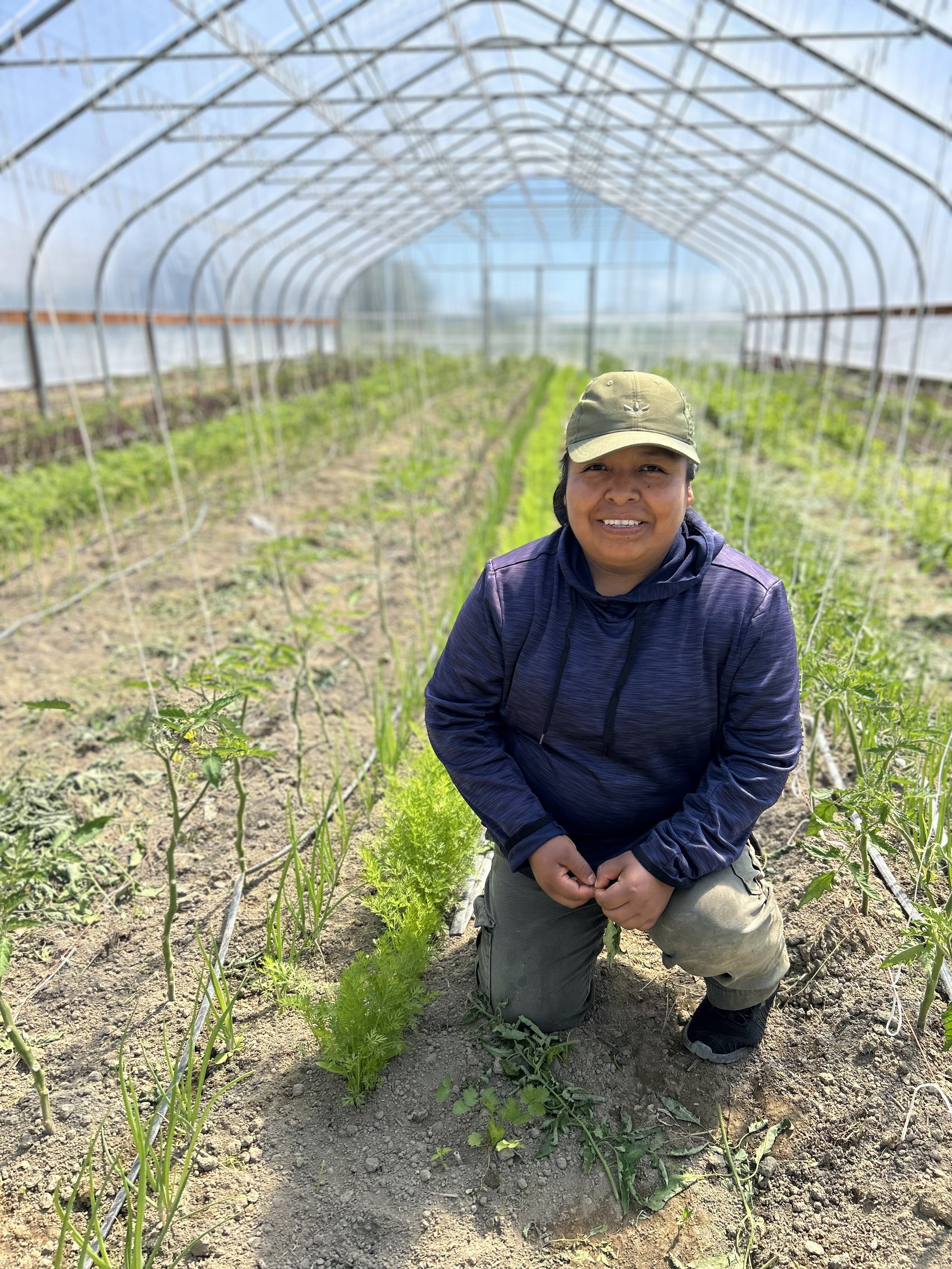
Thanks to the generous Growing Good Fund donation from the Skagit Valley Food Co-op, we were able to create a new opportunity to support Skagit County farmers while bringing more fresh, nutritious food to the families and individuals who rely on our community food programs. Through this funding, we were able to provide ten local farms with $7,000 each through a unique Farm-to-Food Bank loan program. Instead of traditional repayment, the farms will repay the funding over a five-year period through donations of produce, dairy, or protein. This timeline gives farmers the flexibility they need while allowing our food banks, food pantries, and meal programs to receive fresh food.
The donated items go directly to the 20 local food programs we support throughout Skagit, Island, and San Juan Counties. These partnerships help make sure fresh, locally grown food reaches the people in our communities who need it most. The loan application process was designed to be simple and accessible for farmers. Farmers were asked to request funding up to $10,000, share information about their farm and future goals, explain how they planned to use the funding, and identify what products they could donate back to the community.
Farms Selected for the Co-op Farm-to-Food Bank Loan
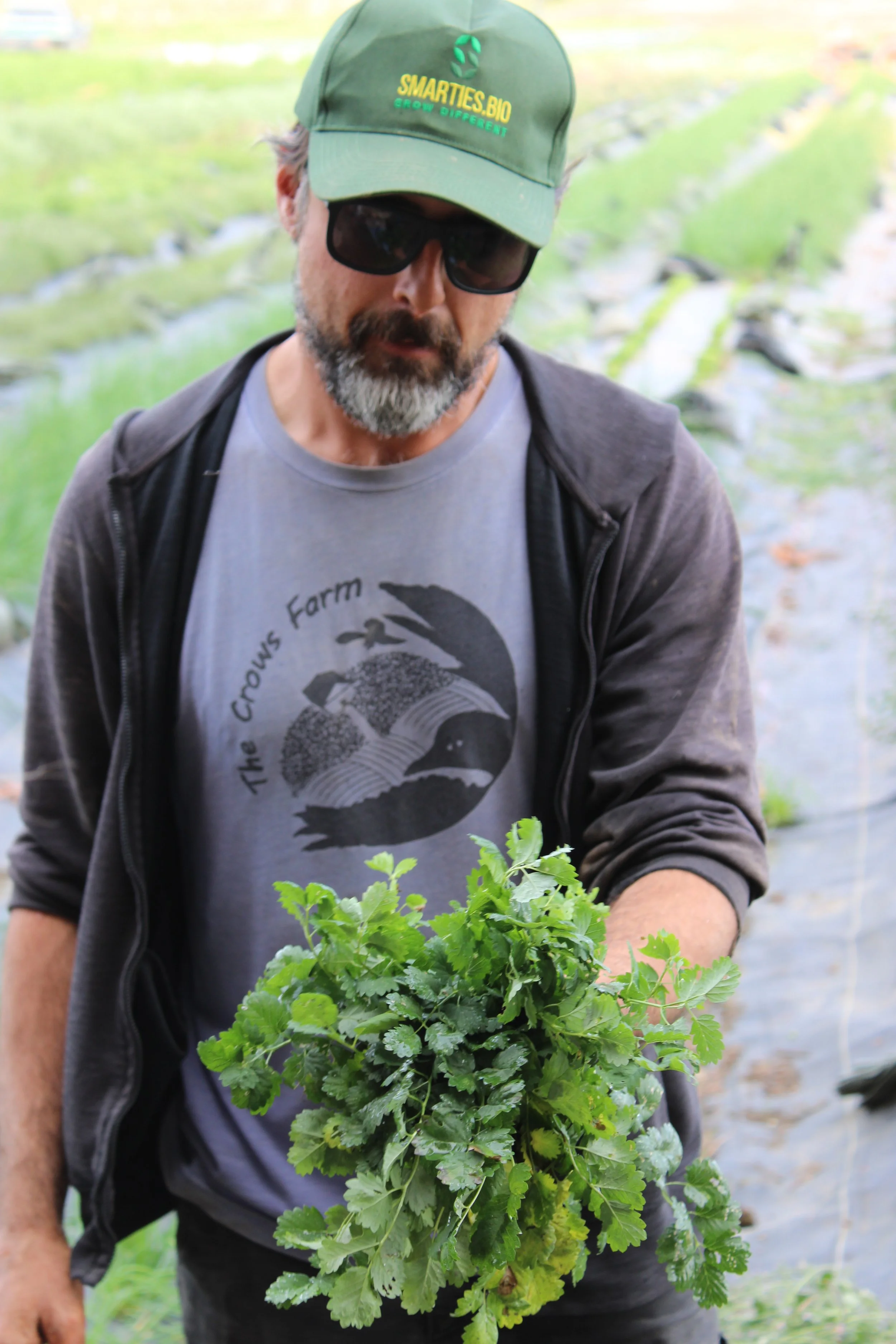
Hedlin’s Family Farm, Long Hearing Farm, Valley Grown Produce, Regino Farm, Meija Romero Farm, Golden Glen Creamery, Verduras Organics, Josh Farms, The Crows Farm, & Esperanza Farm.
To help make the selection process fair and community-focused, we created a committee made up of food banks and other local agriculture supporters. Applications were reviewed and scored based on several factors, including the needs of local food banks, the strength of the farm project, and the ability of the farm to successfully repay the loan.
This project is especially meaningful because many farmers lost important sources of income after COVID-19 funding and purchasing programs ended. During the pandemic, some farmers benefited from grants and purchasing programs worth up to $1 million that helped create reliable markets for their products. When those opportunities disappeared, many farms were left trying to recover while also losing a major customer. The Growing Good Fund helps rebuild that connection between farmers and the community. It gives farmers support when they need it while also creating a long-term source of fresh food for our neighbors.
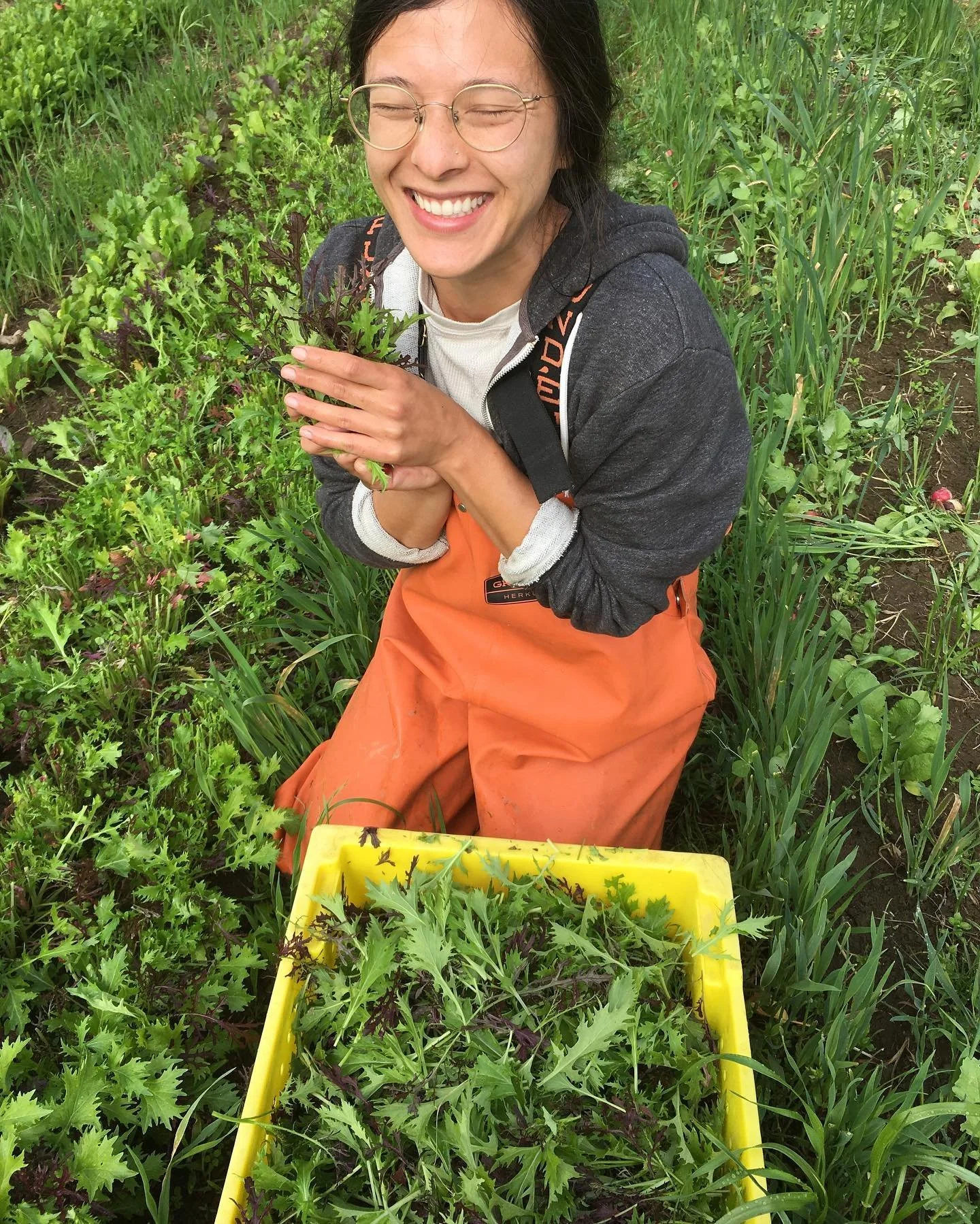
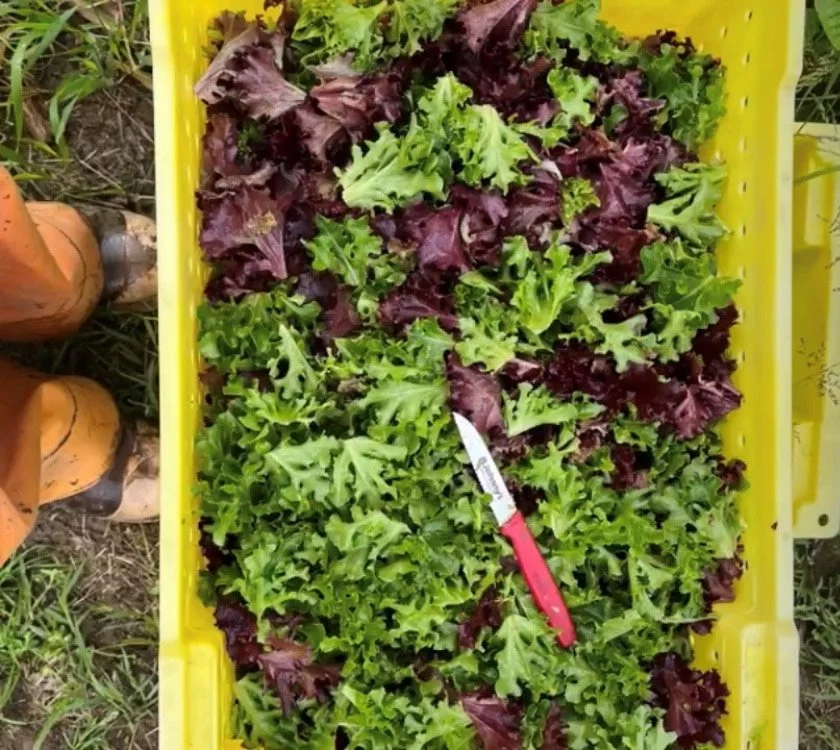
We are already seeing the impact of this partnership. Fresh donations like lettuce and garlic have arrived at food banks and brought smiles to many clients’ faces. These may seem like simple items, but for someone who does not often have access to fresh produce, they can make a meaningful difference. Food banks provide critical support every day, but traditionally many donations are shelf-stable items such as canned goods and drinks. These donations are important and help fill a vital need, but fresh produce, dairy, and protein are some of the most requested items by the people served.
Access to healthier foods can help families feel better, stay healthier, and have more choices. While food assistance helps meet an immediate need, we continue looking for ways to provide resources that help people move toward greater stability and less reliance on emergency food support.
The farmers who received funding have been incredibly grateful for this opportunity and the chance to give back to their communities. For the farmers who were not selected, we received permission to share their information with our food bank partners so they can explore purchasing directly from these farms. This collaboration shows what is possible when farmers, food banks, community organizations, and supporters come together. We are thankful to the Skagit Valley Food Co-op for making this opportunity possible and helping us build a stronger, healthier local food system.