Summer and the Sandwich: Crammed & Jammed Full of Goodness
by Sarah Stoner
There’s no debating the portable ease and satisfaction of a sandwich. But is a hot dog a sandwich? And why does it matter?
My 10th grader had to pick a side for an in-class debate this year and defend her position. She argued, emphatically: not.
The USDA classifies a sandwich as meat between two pieces of bread, bun, or biscuit. Handfuls of state courts as recent as 2025 have ruled the hot dog, legally, as a sandwich. But if you bristle at this conclusion, you align with a cultural view that strongly objects: a hot dog is not a sandwich, while PB&J clearly is. Food philosophers like my daughter might argue that a dog bun is not two separate pieces of bread, which aligns the hot dog more with a taco or a sub than a traditional sandwich.
Let’s keep it simple. Any way you slice it, we as North Americans love love love our sandwiches.
Sandwiches make for an easy grab-n-go food for an on-the-go culture. The hand-held food offers portability—no plate needed—and versatility: filled with meat, jam, vegetables, cheese, butters, and any combination thereof. Sandwiches can be cool as a cucumber or piping hot with gooey cheese stringing from every bite. The sandwich we think of today was born some 300 years ago of a gambling drunkard who didn’t want to leave his seat to eat. I remember hearing about the 4th Earl of Sandwich in about 6th grade. My young etymology-minded brain ate up the idea that a familiar food item—also now a verb—began as a last name among many last names. Seems my elementary school left out the lazy gambler part of the story.
It turns out that around 1762, ole John Montagu, aka: Lord Sandwich, parked himself for hours on end at his card table—all day, every day. His unnamed cook would serve this lazy lord roast beef between two pieces of toasted bread. The handheld meal allowed the lord to continue gambling while eating, no fork needed, one hand available and clean for cards. Well, well, well, and good Lord. The full sandwich story, un-Wonderbreaded.
Long before the 4th Earl’s time, various cultures had their own versions of the sandwich. Thick slabs of stale bread, called “trenchers,” were used as plates for meats and beans in the Middle Ages. Lord Sandwich’s legendary eating style was simply the name inspiration that stuck for an already existing method of eating.
This moveable meal transcended gambling tables of England first as a late-night snack in polite English society. What followed next was the rise of industrial society and working classes in nineteenth century England. Fast, portable, inexpensive meals became essential.
The sandwich “represented not just an innovation in eating but also a shift in social and dining culture, as it allowed for a more informal and expedient dining experience compared to the elaborate multi-course meals of the time,” says James Hardy of the History Cooperative.
During the 1900s, the sandwich became a staple in the North American diet—portable for both schoolchildren and the workforce. Bakeshops began selling pre-cut bread slices around this time and, later on, the burger was born in New Haven, Connecticut, when diner owner Louis Lassen flipped beef patties onto bread. The hamburger, like the hot dog, is part of modern history’s sandwich timeline.

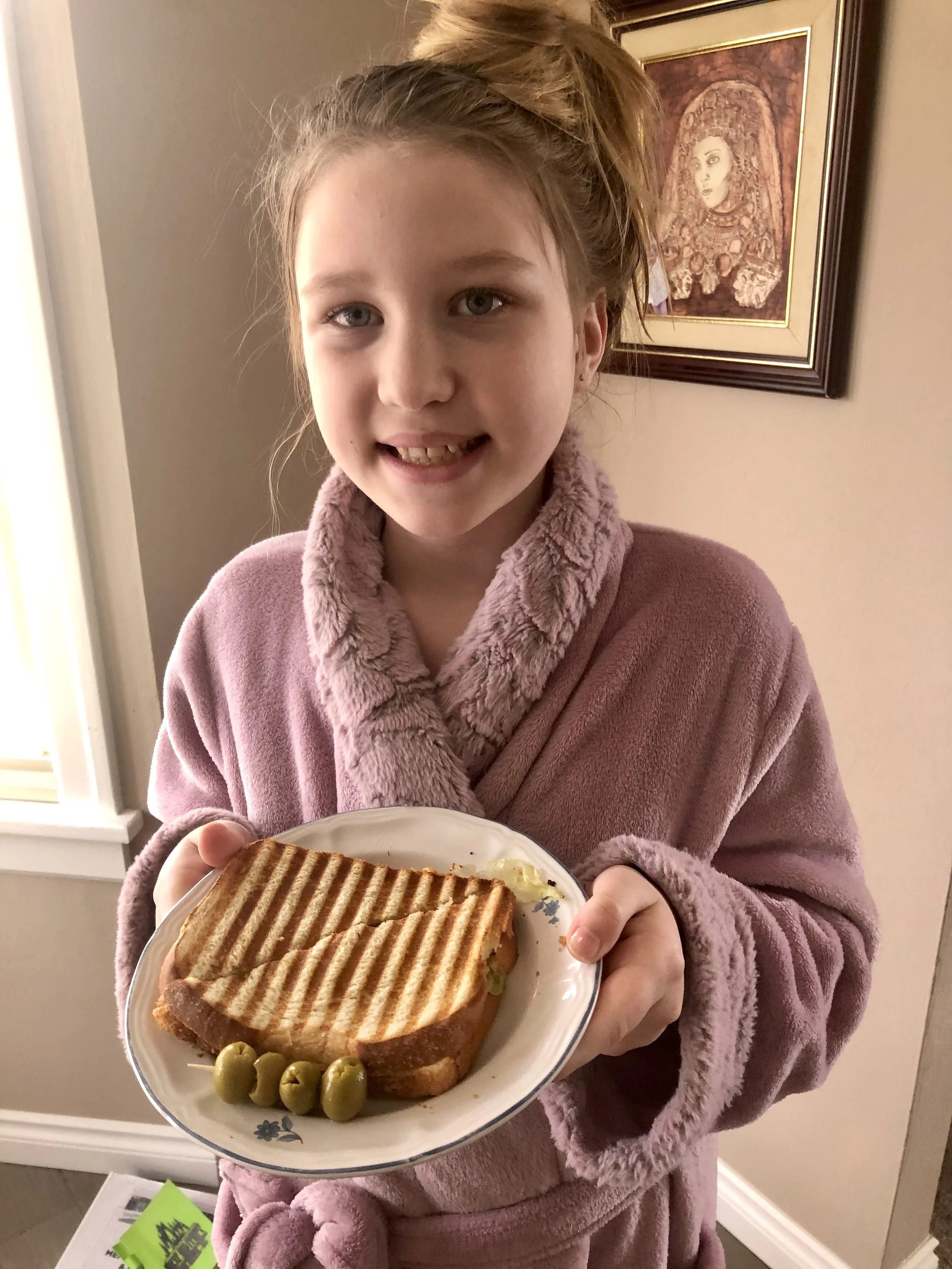
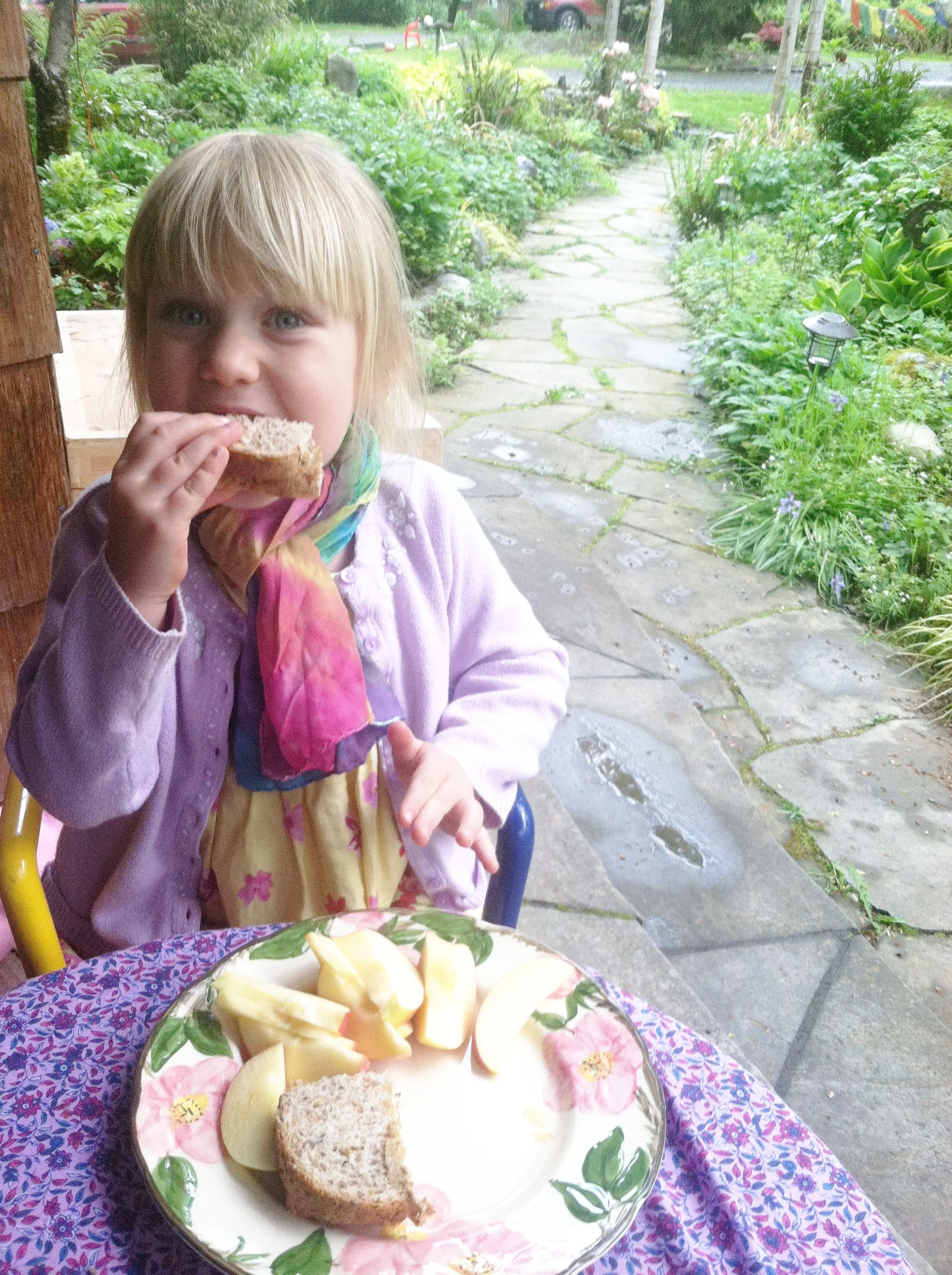
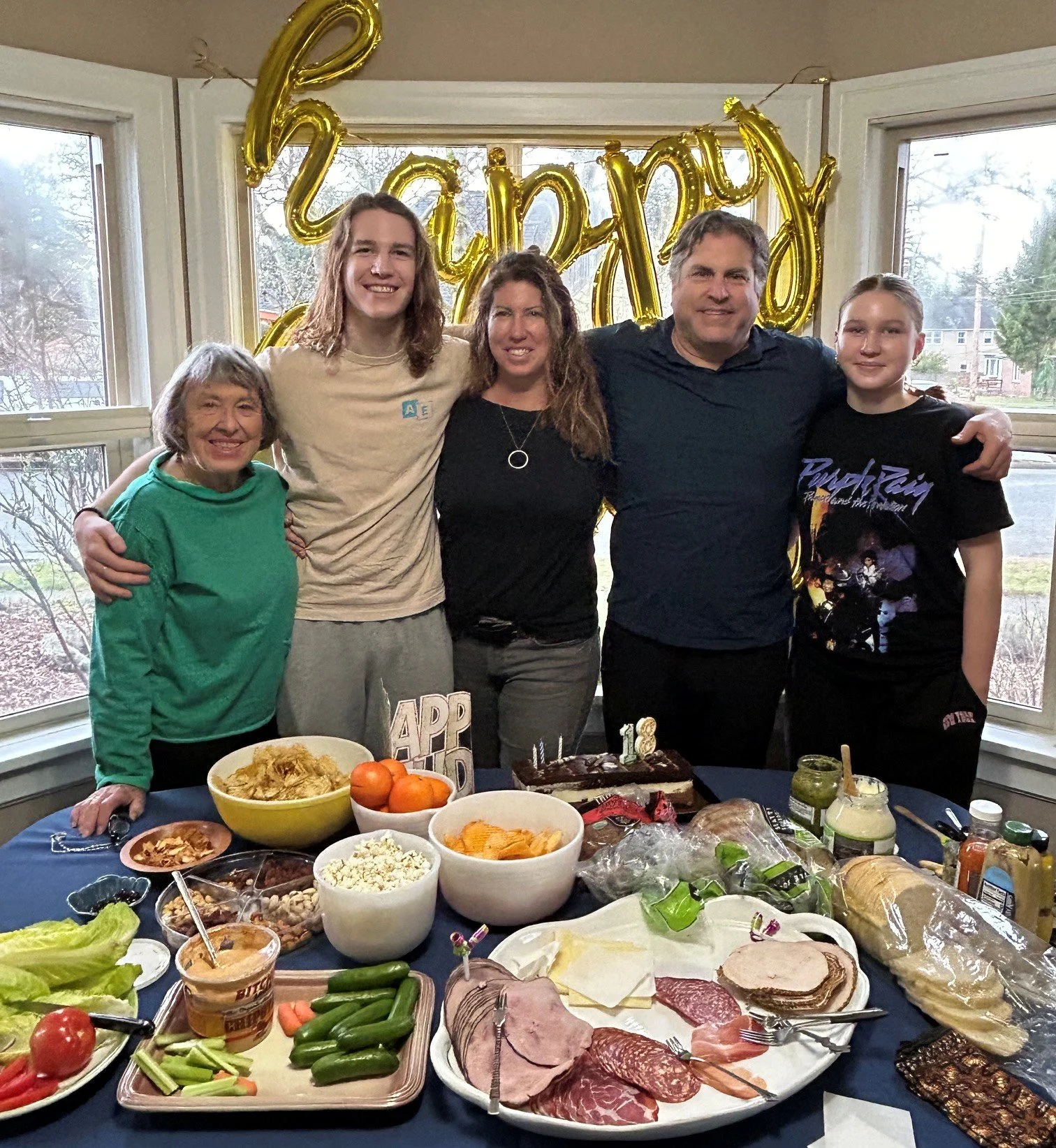
My own sandwich timeline includes so many of our collective North American favorites: the BLT, Reuben, Turkey Club, grilled cheese, and—of course—the PB&J, or maybe just the peanut butter or the jelly sandwich. Toasted or untoasted, that is the question. My mother is happy with either version.
I do love lightly toasted sandwich bread. My father’s grandmother was known for her mayo and salted tomato sandwiches—toasted a must. When the kids were little, I’d toast buttered brown bread and, still warm, smash a ripe banana onto the toast—a drizzle of honey, dash of cinnamon, and who needs to bake banana bread? Such quick comforting finger food. Ah, the unending variety of the sandwich!
A game changer in our family arrived with a panini press. Years ago now, a coworker and I dreamed up a sandwich bar lunch when looking for an easy office celebration that could accommodate everyone: meat eaters, veggie eaters, and dairy- or gluten-free people alike. But when Shelley showed up with two panini presses from home to plug in… I could not have dreamed how the office sandwich bar party reached a whole new level. Pesto. Warm gooey against buttery bread crunch. Heaven.
I brought the panini press revelation home to my kids. The timing was perfect. My then pre-tween daughter and tween son weren’t quite ready for unsupervised meal planning and making. The panini press filled my kids’ need for agency over how they fed themselves, and when. Keep meat, cheese, bread on hand, and let them enjoy a panini playground of discovery. My son loved building on the large rectangle sourdough slices; my daughter preferred nutty brown bread. Bacon bits or maybe pesto today? Just how much mayo—or butter—suited their taste? I let them have at it. My son especially delighted in his panini creations. A purposeful sprinkle of grated cheese on the exterior ended up his favorite discovery.
At my kids’ request, the panini press journeyed with us on camping trips. They wanted to share the panini world with their cousins on our summer campouts in northern Idaho. I loved having one less meal to plan and a bunch of happy kids chittering over how they were going to make their panini, or hearing them talk through the flavor combination for tomorrow. All this, overheard from my lakeside hammock spot under the ponderosa pine in the 90-degree shade.
It was on these same summer camping trips that I witnessed the weirdest sandwich filling encountered thus far. And it wasn’t my kids’.
On a generational hike in the dusty, dry Selkirk Mountains of August, my octogenarian uncle sat down for lunch along the cool creek we’d hiked to. Dan dug into his sandwich, delightedly. It was his lifelong favorite, he explained. Peanut butter, mayonnaise, and sliced pickles. I was equal parts horrified and intrigued. I have yet to try it, but maybe this summer, it’s time!
One might argue, what makes a sandwich? A medical journal uses the “Is a Hot Dog a Sandwich?” debate to teach how fundamental cultural ideas influence science, truth, and reality. Law libraries list case after case on the Jurisprudence of the Sandwich. Our world today indeed is so complex as to need legal rulings on the standing of hot dogs in a sandwich world.
But you know, why not keep it simple this summer? Find a lake or a hike or set out a panini press and fixin’s in your backyard—and kick back with your kids or cousins or just yourself, and take a bite of those two pieces of bread, any way you’ve sliced and filled it.
Skagit writer and eater Sarah Stoner these days is not gluten-able. Most of the time, going without gluten is easy but—when it comes to travelling, or hiking—the portability of a cold sandwich on a park bench can’t be beat. And, oh what she would do for a Croissant sandwich toasted with cool sliced turkey, mayo, and crisp lettuce. sarahjstoner@hotmail.com
Tempeh Reuben with Mochi
Nothing can make up for a classic rye Reuben, but this vegan version with mochi is a gently digestible alternative. The recipe ended up in my collection from cousin Leslie, when she worked as a macrobiotic chef in Hawaii. | Serves 4-5
Ingredients
16 oz tempeh (usually two packages)
2 medium or 1 large onion
½ to 1 cup sauerkraut
Olive or sesame oil
2 to 3 pieces brown rice mochi
Parsley
Directions
First, slice the onions into thin crescents. Then cut the tempeh into ½ inch x 2 inch rectangular pieces. Heat a bit of oil in the pan.
Sauté the tempeh on one side until it turns brown, then turn it over and sauté the other side until also brown.
Pour water over the tempeh, enough to cover it, then add a layer of onion and sauerkraut. Cook on medium flame, covered, until it smells sweet.
Take thinly-sliced mochi and place it over the top of the tempeh mounds. Cover the pan again and steam until mochi melts. Garnish with fresh parsley.
BUNK Sandwich’s Oregon Tuna Melt
We all know how to make a tuna sandwich, but Portland-based BUNK sells a version that is beyond your childhood’s after-school toaster melt. The filling is mayo-free, spiked with basil, balsamic, and chili flakes instead. A spicy twist on the classic. | Serves 4-5
Ingredients
2 cans (5 oz. each) local sustainable tuna
1/4 cup minced red onion
1/4 cup extra-virgin olive oil
1 Tbsp balsamic vinegar
1 Tbsp minced fresh basil leaves
1/2 tsp red chili flakes
1/2 tsp salt
1/2 tsp pepper
Directions
Combine all ingredients and mix. Add along with medium sharp cheddar and sliced dill pickles to a ciabatta roll, then grill the works in a panini press. Enjoy!