From Farm to Food Bank: Growing Impact
by Trisha Hochreiter, Community Food Access Manager and Karsyn Hanson, Director of Community Engagement (Community Action)
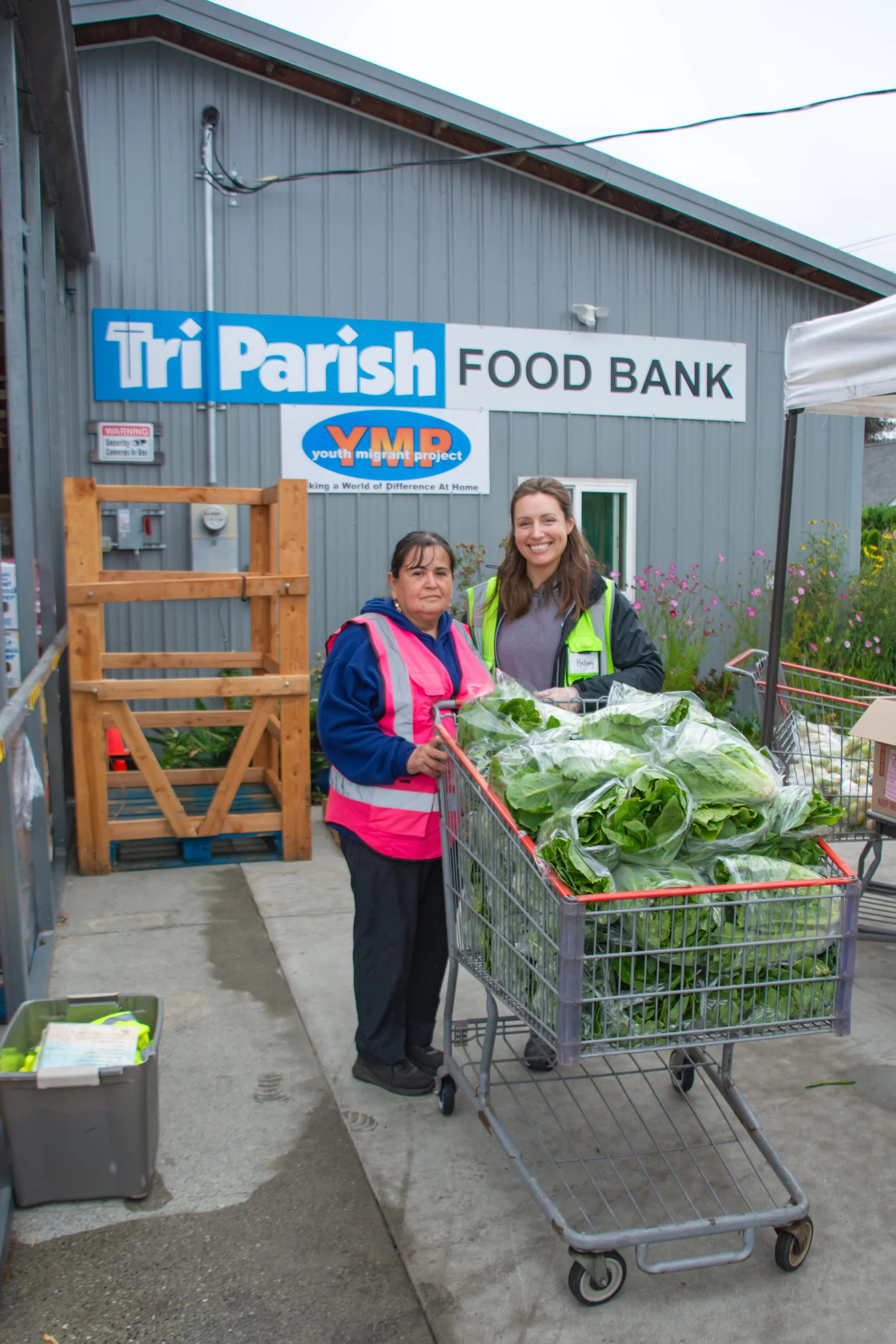
Tri-Parish Food Bank in Burlington, WA.
The Farm-to-Food Bank loan program has been operating for a few months now! During that time, we have received over 3,500 pounds of produce, everything from lettuce and berries, to tomatoes, fresh onions, beets, and cucumbers. The list goes on.
We have seen the impact of this program go beyond the food itself. When farmers drop off their food at the Food Distribution Center, we hear stories of gratitude.
For farmers, this loan program has provided much needed flexibility that traditional loan options do not provide, while also helping meet community needs. One farmer shared how grateful they were to be able to spend time with their loved ones during a difficult period, while also knowing their farm would be able to continue operating. Having the support of the loan relieved a tremendous amount of stress.
Every month the Food Distribution Center receives around 350,000 pounds of food, everything from shelf-stable products to produce. With the rising cost of living, fresh fruits and vegetables are becoming increasingly expensive, making them harder for families to afford. At the same time, the Food Distribution Center has limited funding to purchase enough fresh produce to keep up with growing need at food banks. The Farm-to-Food Bank program helps bridge this gap, providing fresh food to people who need it while also supporting local farmers.
For the community, this loan program provides fresh produce, dairy, and protein to food banks to distribute. Food banks typically have a greater supply of shelf-stable products and more limited access to fresh produce, dairy products, or protein options. Access to produce is essential for individuals and families utilizing food banks. Nutritious options support healthy eating and help individuals and families maintain their health.
“...Food banks, and the farmers, and Community Action are taking that stressor away and saying, ‘We’ve got your back, there's vegetables at the food bank, you don’t have to worry about that, your family will eat well.’”
— Arielle Luckmann, Waxwing Farm
We’ve seen the impact of increased access firsthand through Community Action’s Commodity Supplemental Food Program, otherwise known as the Senior Food Box Program. This program delivers food boxes to low-income seniors age 60 and up. These food boxes include 30 pounds of shelf stable foods like canned produce, cereal, juice, rice or pasta, milk, and protein. For many seniors, access to fresh produce is especially important, including for those managing health conditions with specific dietary needs. We heard from some participants that the lack of fresh produce meant the food box was no longer meeting their needs, and some chose to leave the program.
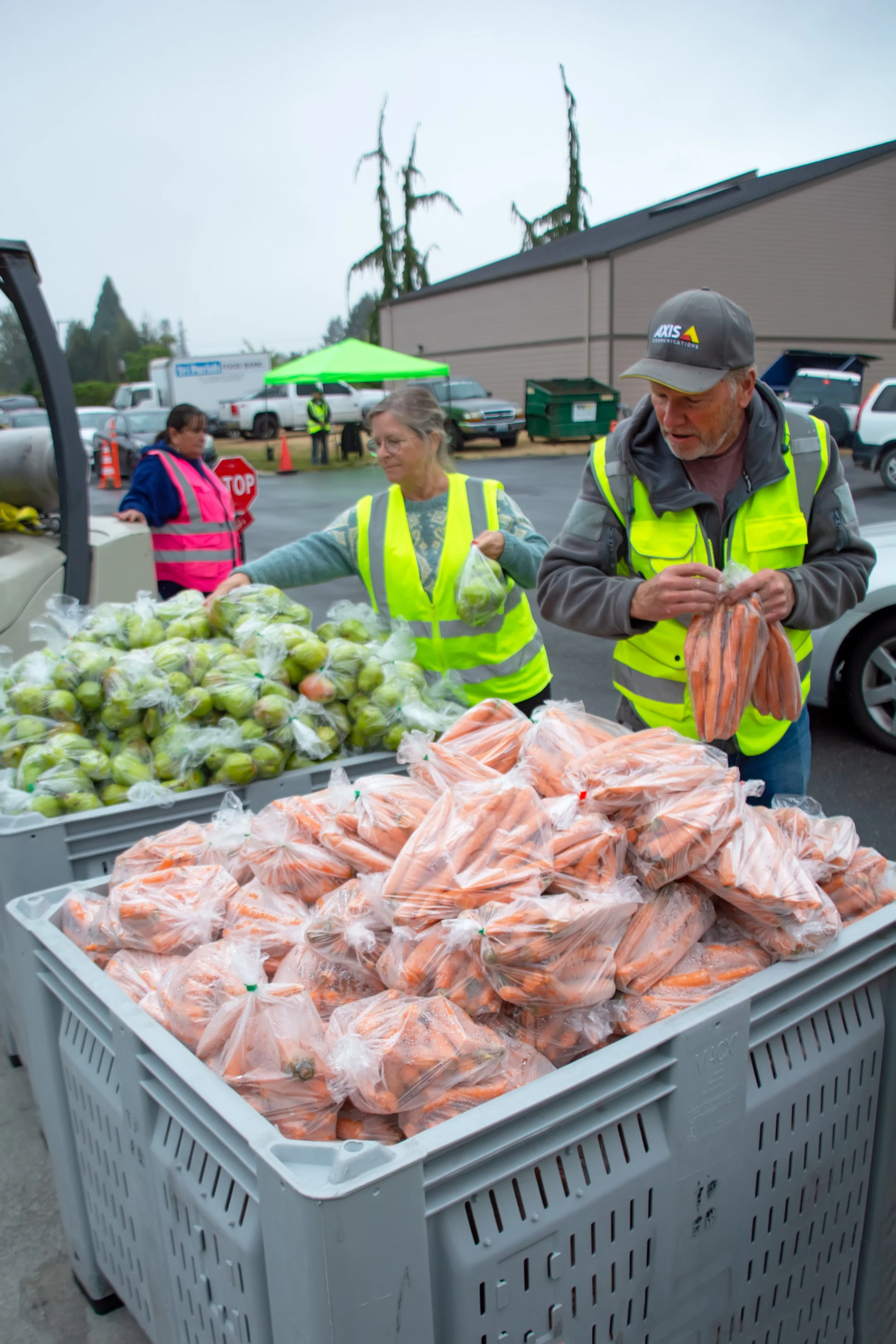
Previously, we had funding that allowed us to purchase pre-boxed fresh produce each week to distribute alongside the shelf-stable food boxes. When that funding ended, we had to rely more heavily on donations and limited funding to purchase fresh food. The Farm-to-Food Bank program has helped fill that gap, giving us more fresh produce and a greater variety of fruits and vegetables to offer. The Senior Food Box program provides a 5–10-pound box of fresh fruits and vegetables alongside the traditional food box, helping us better meet the needs of the seniors we serve. For seniors living on limited incomes, that additional box means greater access to foods that can otherwise be difficult or expensive to purchase. It also means more choice, variety, and locally grown food on the table.
Tri-Parish Food Bank, one of the local food banks we partner with, shared their gratitude to be able to hand out fresh produce. Volunteers were especially excited to give every client who came through that day a fresh head of lettuce, along with other items made available through the loan program.
“Everybody deserves fresh, local, healthy food and vegetables, and that is what I am so grateful for as a farmer —to be able to grow it for people and then have the places in which we can get it to the people.”
— Arielle Luckmann, Waxwing Farm
This partnership with the Skagit Valley Food Co-op and participating local farms has brought tremendous benefits to people accessing the 20 local food programs supported by Community Action’s Food Distribution Center across Skagit, Island, and San Juan counties. Creative approaches to strengthening the regional food system, like the Farm-to-Food Bank program, are essential to increasing both economic stability for farmers and food security for individuals and families.
It has been incredibly rewarding to see how this support is making its way full circle—from helping farmers through a challenging time to putting fresh, local food on the tables of seniors and families in our communities.
We are grateful to the Skagit Valley Food Co-op, our participating farmers, and the food programs that make strengthening our food system possible. We look forward to seeing what else can grow from this investment.